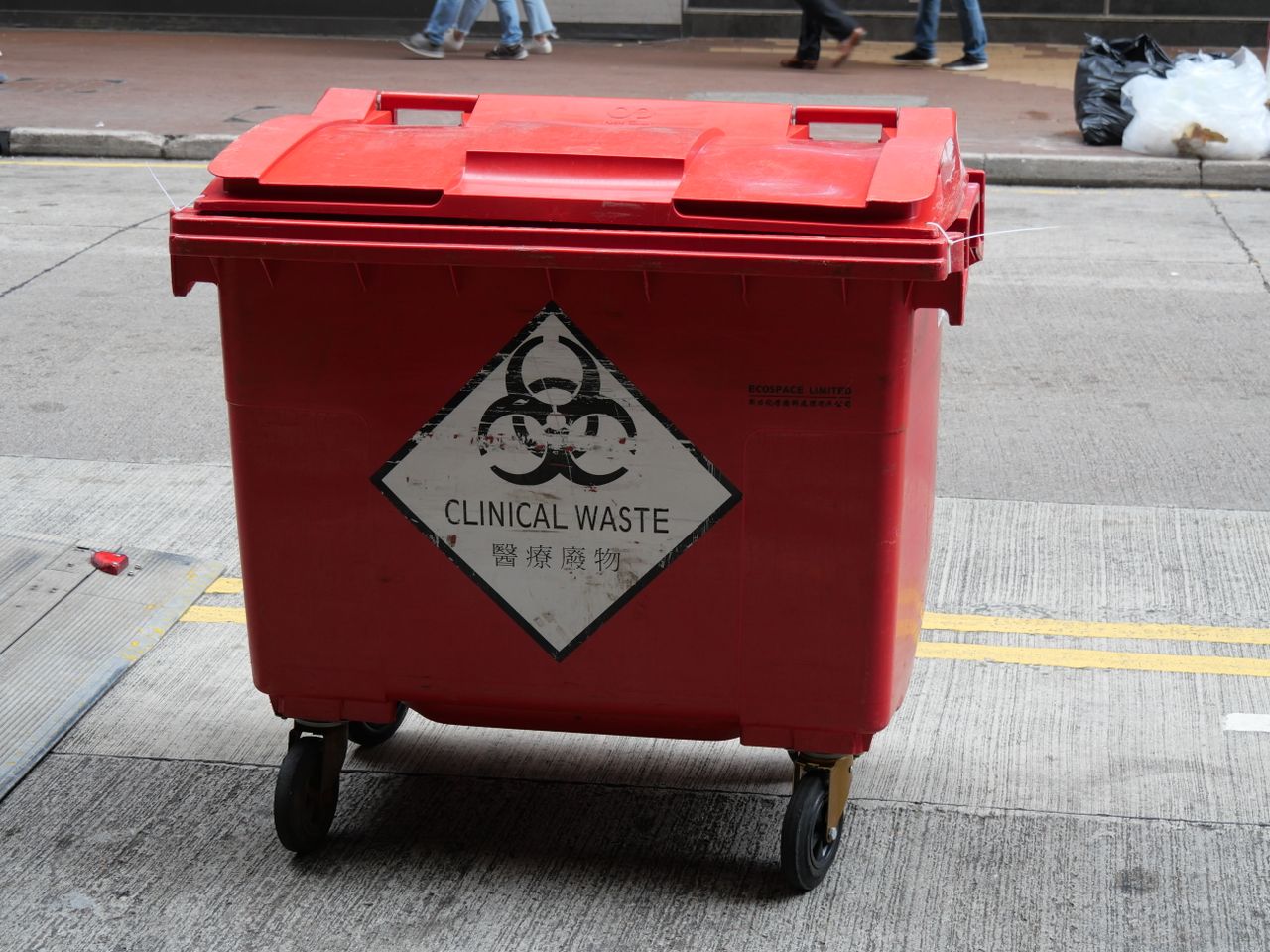

In the grand scheme of sustainable waste management practices, size reduction stands as a pivotal process. As the world continues to grapple with environmental challenges, industries and communities alike are seeking innovative solutions to minimize waste and maximize resource efficiency. Among these solutions, the art of size reduction emerges as a fundamental cornerstone in the realm of recycling and waste management.
The Significance of Size Reduction
Size reduction involves breaking down materials into smaller, more manageable pieces. In the context of recycling and waste management, this process holds immense significance for several reasons:
1. Enhanced Handling: Large items or materials occupy more space and are cumbersome to handle, transport, and store. By reducing their size, the logistics of waste management become significantly more efficient, enabling smoother operations throughout the entire recycling chain.
2. Increased Surface Area: Smaller particles possess a greater surface area relative to their volume. This property enhances the effectiveness of subsequent processing steps such as sorting, separation, and extraction of valuable components from waste streams.
3. Improved Resource Recovery: Many materials have intrinsic value that can be reclaimed through recycling. Size reduction facilitates the liberation of these valuable resources, making them more accessible for extraction and reuse.
4. Energy Savings: Processing smaller particles typically requires less energy compared to handling larger objects or materials. By reducing particle size, energy consumption throughout the recycling and waste management process can be minimized, contributing to overall sustainability efforts.
Applications of Size Reduction Technology
Various techniques and technologies are employed in size reduction processes, each suited to different materials and applications:
1. Shredding: Shredders are commonly used to break down bulky items such as plastic containers, cardboard boxes, and electronic waste into smaller pieces. This initial size reduction step prepares materials for further processing while facilitating efficient sorting and separation.
2. Crushing: Crushers are utilized to reduce the size of solid materials such as glass, concrete, and ceramics. These machines apply mechanical force to break materials into smaller fragments, which can then be recycled or repurposed for construction and other applications.
3. Grinding: Grinding processes are employed for reducing the size of materials to fine particles or powders. This technique is commonly used in the recycling of materials such as wood, rubber, and metal, where precise size reduction is required for downstream processing or material recovery.
4. Pulverizing: Pulverizers are specialized machines that reduce materials to granules or powders through high-speed impact or attrition. This size reduction method is particularly suitable for materials such as plastics, rubber, and biomass, facilitating efficient recycling and resource recovery.
Driving Sustainable Practices
In the pursuit of sustainable waste management practices, size reduction plays a pivotal role in optimizing resource utilization and minimizing environmental impact. By effectively reducing the size of waste materials, industries and communities can:
– Conserve Resources: Efficient size reduction enables the recovery of valuable materials from waste streams, reducing the need for virgin resources and mitigating environmental degradation associated with resource extraction.
– Reduce Landfill Burden: Smaller waste particles occupy less space in landfills, extending their operational lifespan and alleviating pressure on limited landfill capacity. This not only reduces the environmental footprint of waste disposal but also promotes responsible waste management practices.
– Promote Circular Economy: Size reduction facilitates the transition towards a circular economy by enabling the efficient recycling and reuse of materials. By closing the loop on resource flows, size reduction contributes to the sustainable management of finite resources and the reduction of waste generation.
In conclusion, size reduction stands as a cornerstone in the quest for efficient recycling and waste management practices. By breaking down materials into smaller, more manageable pieces, size reduction enhances resource recovery, reduces environmental impact, and promotes the transition towards a circular economy. Embracing innovative size reduction technologies and integrating them into waste management strategies is essential for fostering a more sustainable future for generations to come.
At Bengal Machine, we’re committed to advancing size reduction technology to empower industries and communities in their journey towards sustainable waste management. Join us in shaping a greener, more efficient tomorrow through the power of size reduction.