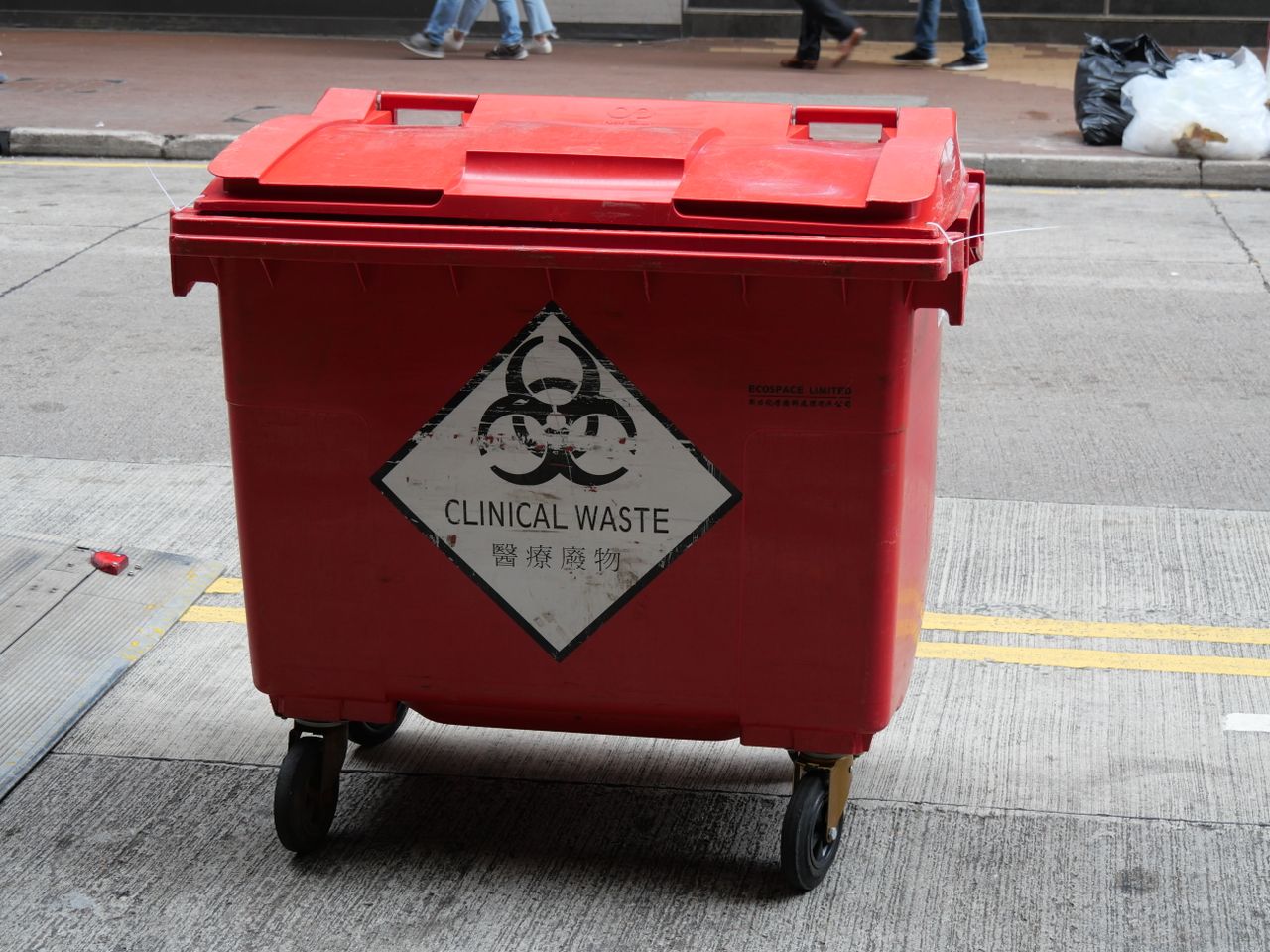
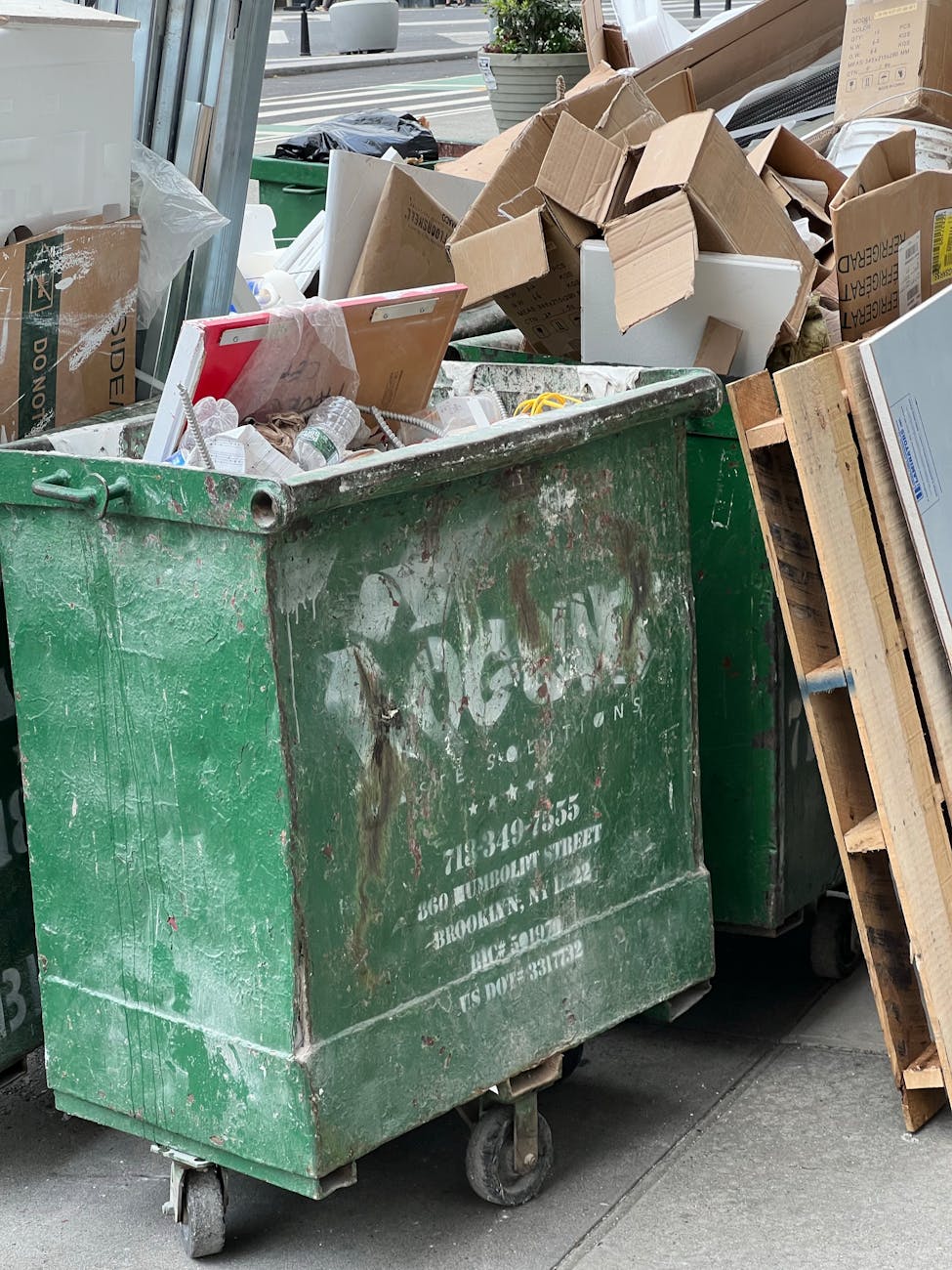
Across the country, municipalities are facing growing challenges in managing the volume, diversity, and complexity of waste streams. From residential refuse and yard trimmings to commercial debris and recyclables, local governments are under pressure to meet sustainability goals while maintaining cost efficiency and regulatory compliance. Effective waste management strategies must balance these priorities through innovation, collaboration, and the right processing technology.
1. Prioritize Source Separation and Collection Efficiency
The foundation of any successful municipal waste management plan is effective sorting at the source. Clear labeling, community education, and streamlined collection systems help reduce contamination in recyclables and organic waste. Automated collection and smart routing technologies can also help reduce fuel use and improve service efficiency.
2. Invest in Advanced Processing and Size Reduction
Once collected, waste must be processed efficiently to prepare materials for recycling, composting, or energy recovery. This is where Bengal Machine’s family of brands—including Schutte Hammermill and CSE Bliss—deliver value. From hammer mills for reducing bulky materials to fine grinding systems that prepare waste for downstream processing, Bengal Machine offers integrated equipment solutions to maximize throughput and material recovery.
3. Incorporate Waste-to-Energy and Resource Recovery
Many municipalities are turning to waste-to-energy technologies to recover valuable resources from non-recyclable materials. Size reduction is a critical step in preparing feedstock for gasification, pyrolysis, and other advanced recovery methods. Bengal Machine equipment helps ensure uniform particle size and optimized density for efficient energy conversion.
4. Strengthen Partnerships and Public Engagement
Sustainable waste management isn’t just about technology—it’s about community. Municipalities that engage residents and collaborate with private-sector partners see higher participation rates, cleaner waste streams, and stronger long-term outcomes.
5. Plan for the Future
As regulations evolve and landfill space becomes increasingly limited, forward-thinking waste management programs must remain adaptable. Investing in scalable, durable, and customizable processing equipment ensures that municipalities can meet today’s challenges while preparing for tomorrow’s demands.
From waste diversion to energy recovery, Bengal Machine delivers the technology and expertise municipalities need to build efficient, sustainable waste management systems.
Learn more about Bengal Machine’s integrated solutions for municipal waste processing at bengalmachine.com.