
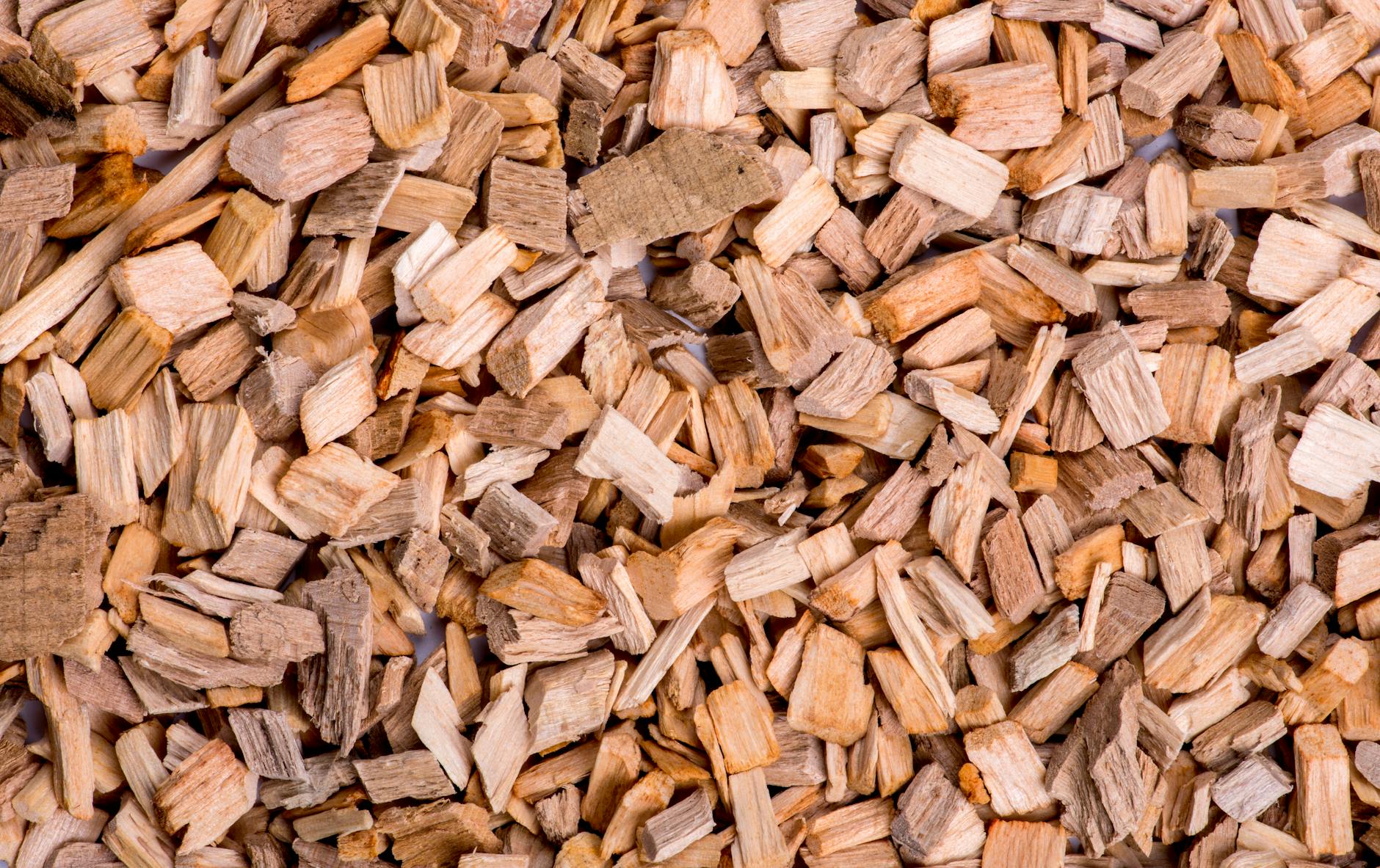
As demand for renewable energy and alternative fuel sources continues to grow, biomass processing has become an increasingly important part of the global energy and waste management landscape. From wood waste and agricultural residuals to energy crops and industrial byproducts, biomass materials require efficient preparation before they can be used for fuel, pellet production, gasification, or other downstream applications.
At the center of biomass preparation is size reduction.
Selecting the right grinding equipment is critical for achieving consistent particle sizing, maximizing throughput, improving drying and combustion efficiency, and supporting reliable downstream processing performance.
But not all mills are designed for the unique demands of biomass processing.
Why Biomass Size Reduction Matters
Raw biomass materials are often bulky, inconsistent, and difficult to process efficiently without proper preparation.
Industrial grinding equipment helps convert materials into a uniform particle size suitable for:
- Biomass boilers
- Pellet production
- Gasification systems
- Pyrolysis operations
- Waste-to-energy systems
- Alternative fuel production
- Composting and soil products
Consistent particle sizing improves material flow, handling efficiency, combustion consistency, and overall system performance throughout the biomass processing operation.
Common Biomass Materials
Biomass processing facilities handle a wide range of feedstocks, including:
- Scrap wood
- Wood chips
- Bark
- Sawdust
- Agricultural residuals
- Energy crops
- Forestry waste
- Construction wood waste
- Green waste
- Organic industrial byproducts
Each material presents unique processing challenges related to moisture content, density, abrasiveness, contamination, and fiber characteristics.
This makes equipment selection especially important.
What Makes a Good Biomass Mill?
The best mills for biomass applications are designed to handle demanding materials while maintaining high throughput and consistent finished particle sizing.
Important considerations include:
- Throughput capacity
- Durability
- Wear resistance
- Particle size consistency
- Flexibility for multiple feedstocks
- Ease of maintenance
- Energy efficiency
- Ability to process varying moisture levels
For high-volume biomass operations, equipment reliability is critical to minimizing downtime and maintaining production schedules.
Hammer Mills for Biomass Processing
Hammer mills remain one of the most widely used and effective technologies for biomass size reduction due to their versatility and ability to process a broad range of materials.
Industrial hammer mills can be configured for:
- Coarse grinding
- Mid-range particle reduction
- Fine grinding
- Pellet mill preparation
- Fuel sizing
- Secondary grinding applications
Proper hammer and screen configurations allow operators to achieve target particle sizes based on downstream production requirements.
High-Capacity Wood Grinders and Wood Hogs
For large, bulky biomass materials such as pallets, forestry residuals, and demolition wood, high-capacity wood grinders and wood hogs are often the preferred solution.
These systems are designed to handle:
- Oversized feedstock
- High-volume processing
- Abrasive materials
- Heavy-duty operating conditions
Wood hogs are commonly used as primary grinders before secondary hammer mill processing.
Fine Grinding for Pellet Production
Pellet manufacturing applications often require tighter particle size control to support pellet durability and consistent pellet quality.
Fine grinding hammer mills help create:
- Uniform feedstock
- Improved pellet density
- Better pellet durability
- More efficient conditioning
- Improved production consistency
Selecting the right fine grinding equipment is critical for optimizing pellet mill performance.
Bengal Machine Biomass Processing Solutions
Bengal Machine and its family of brands provide a complete range of size reduction equipment for biomass processing applications.
From high-capacity wood grinders and wood hogs to precision hammer mills for fine grinding, Bengal Machine supports a wide variety of biomass processing operations across multiple industries.
Applications include:
- Biomass fuel production
- Pellet manufacturing
- Waste-to-energy preparation
- Wood waste recycling
- Agricultural residual processing
- Alternative fuel production
With decades of experience in industrial size reduction, Bengal Machine helps customers identify the right equipment solutions for their specific biomass materials and production goals.
Choosing the Right Biomass Grinding System
No two biomass operations are exactly alike. Material characteristics, production capacity, moisture content, and desired finished particle size all play a role in determining the ideal grinding solution.
Properly engineered systems help operations improve:
- Throughput
- Fuel consistency
- Energy efficiency
- Material handling
- Equipment reliability
- Downstream process performance
Bengal Machine provides custom-engineered biomass processing solutions designed to support efficient, high-volume material reduction.