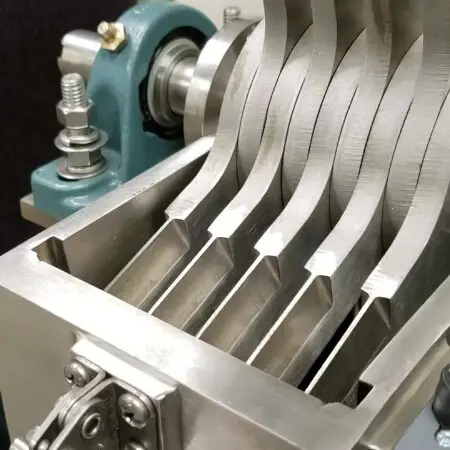

Bengal Machine: Powering the Future of Size Reduction
Innovation in industrial processing rarely starts with the final product. More often, it begins at the very first step: how material is prepared, handled, and transformed for everything that follows. In many cases, that first step is size reduction.
Innovation Starts Upstream
Emerging processes in recycling, energy, and manufacturing depend on precise and consistent material preparation. Advanced separation technologies, new recovery methods, and evolving production techniques all require feedstock that meets increasingly strict specifications.
Without effective size reduction, many of these innovations simply aren’t possible.
Enabling Waste-to-Value Opportunities
As industries look for ways to extract more value from waste streams, size reduction plays a pivotal role. By transforming irregular, bulky, or mixed materials into consistent inputs, size reduction helps unlock new opportunities for recovery, reuse, and conversion.
From material recovery to alternative energy pathways, size reduction often determines whether a process is viable at scale.
Supporting Technologies That Didn’t Exist a Decade Ago
Many of today’s industrial technologies: advanced sorting systems, automated separation, and specialized processing equipment, depend on consistent material sizing to function effectively.
As these technologies continue to evolve, the demands placed on size reduction will only increase, reinforcing its role as a catalyst rather than a constraint.
A Foundation for the Future
Despite its critical importance, size reduction often operates behind the scenes. It doesn’t attract attention unless something goes wrong. Yet when designed and implemented effectively, it quietly powers innovation across entire industries.
Recognizing size reduction as a foundational technology, not just a preprocessing step, allows organizations to better support growth, experimentation, and long-term success.
Looking Ahead
The future of industrial processing will be shaped by efficiency, adaptability, and innovation. Size reduction sits at the heart of all three. As new challenges and opportunities emerge, the ability to prepare material effectively will remain a defining factor in what comes next.