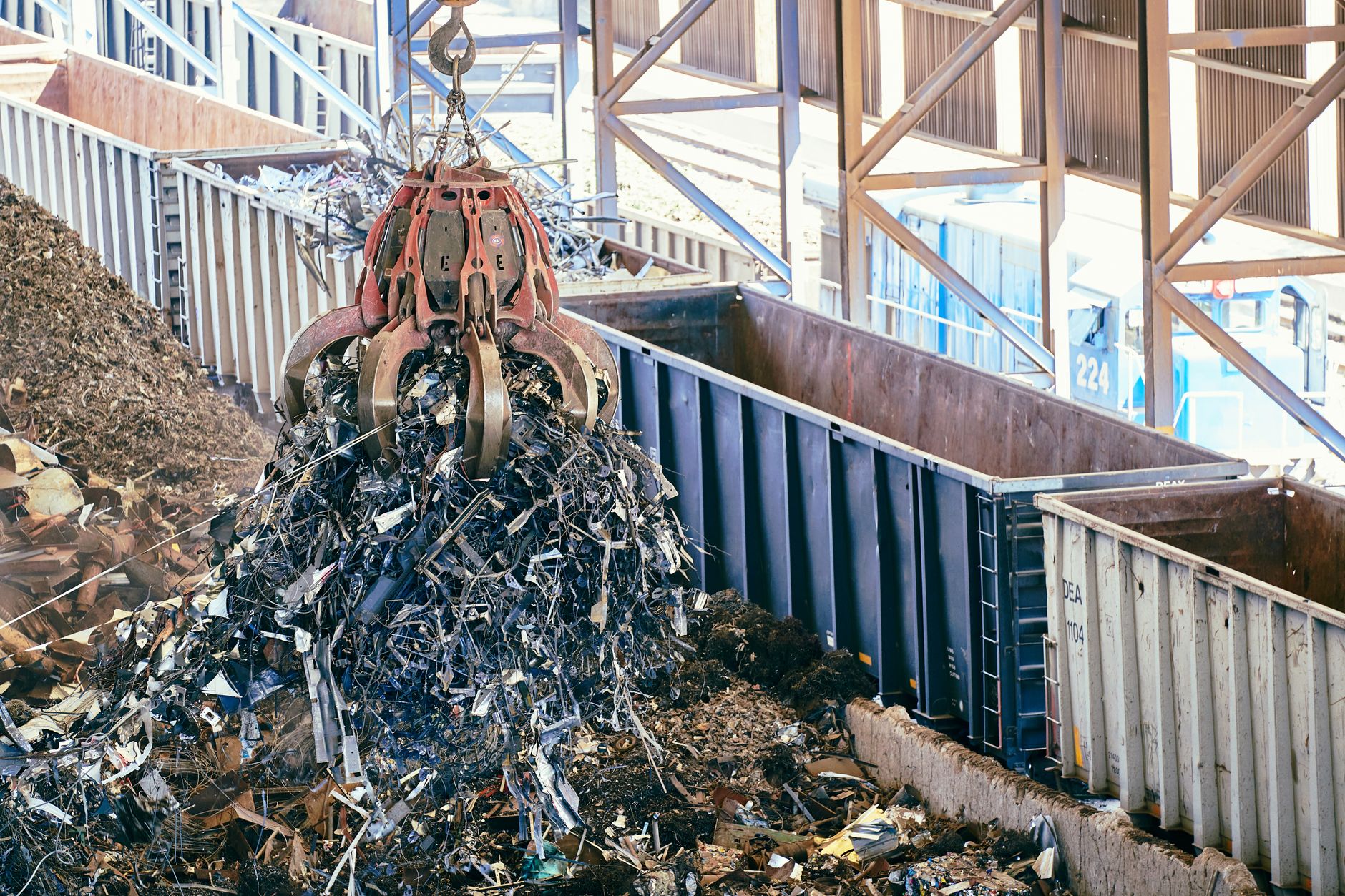

One Technology, Many Industries: How Size Reduction Connects Modern Manufacturing
At first glance, industries like recycling, agriculture, energy, and manufacturing appear to have very little in common. They process different materials, serve different markets, and operate under different regulations. But behind the scenes, many of them rely on the same foundational technology to function efficiently: size reduction.
Across modern manufacturing and processing environments, size reduction acts as a connective thread—solving similar challenges in very different applications.
Different Materials, Shared Challenges
Whether the material is wood waste, plastics, metals, biomass, or bulk solids, operators across industries face many of the same pressures:
- Inconsistent feedstocks
- Rising operating and maintenance costs
- Demand for higher throughput
- Tighter quality and performance requirements
Size reduction often sits at the intersection of these challenges. When material enters a process at the wrong size—or with excessive variability—everything downstream becomes harder to control.
This is why size reduction has become a strategic concern across industries that otherwise rarely overlap.
Cross-Industry Innovation Is Driving Better Solutions
One of the most important developments in size reduction over the past decade is how lessons learned in one industry are influencing solutions in others.
Design strategies originally developed for recycling may improve durability in agricultural applications. Approaches refined in biomass or energy processing can enhance throughput and efficiency in manufacturing environments. Advances in handling abrasive or heterogeneous materials often translate directly into better performance elsewhere.
This cross-pollination of ideas is accelerating innovation—and raising expectations.
Application-Specific Design Still Matters
While the underlying technology may be shared, effective size reduction is never truly one-size-fits-all. Each application brings unique material characteristics, operating conditions, and downstream requirements.
The most successful size reduction solutions balance two realities:
- A common technological foundation
- Application-driven customization
Understanding where standardization works—and where customization is essential—is key to delivering consistent performance across industries.
Seeing the Bigger Picture
Organizations that operate across multiple markets gain a valuable perspective. They don’t just see isolated applications; they see patterns. They understand how size reduction challenges repeat themselves in different forms—and how solving them in one space can unlock improvements in another.
This broader view is increasingly important as industries evolve, materials diversify, and processes become more interconnected.
A Shared Foundation for Modern Industry
As manufacturing and processing continue to advance, size reduction will remain a unifying technology—quietly enabling efficiency, consistency, and performance across industries that might otherwise seem unrelated.
By recognizing size reduction as a shared foundation rather than a siloed function, operators can better prepare for the demands of modern industrial processing.