For decades, size reduction has been a foundational step in industrial processing—reliable, necessary, and often taken for granted. But across today’s industrial landscape, that role is changing. What was once viewed as a basic preprocessing function is now a critical driver of efficiency, performance, and value creation.
As industries face increasing pressure from regulation, material variability, and rising operational costs, size reduction has become central to solving some of their biggest challenges.
Size Reduction Has Moved Upstream—and Downstream
Traditionally, size reduction lived quietly at the front end of a process. Reduce material to a manageable size, then move on. Today, the performance of downstream operations—separation, recovery, combustion, extrusion, or refinement—is directly tied to how effectively material is processed upfront.
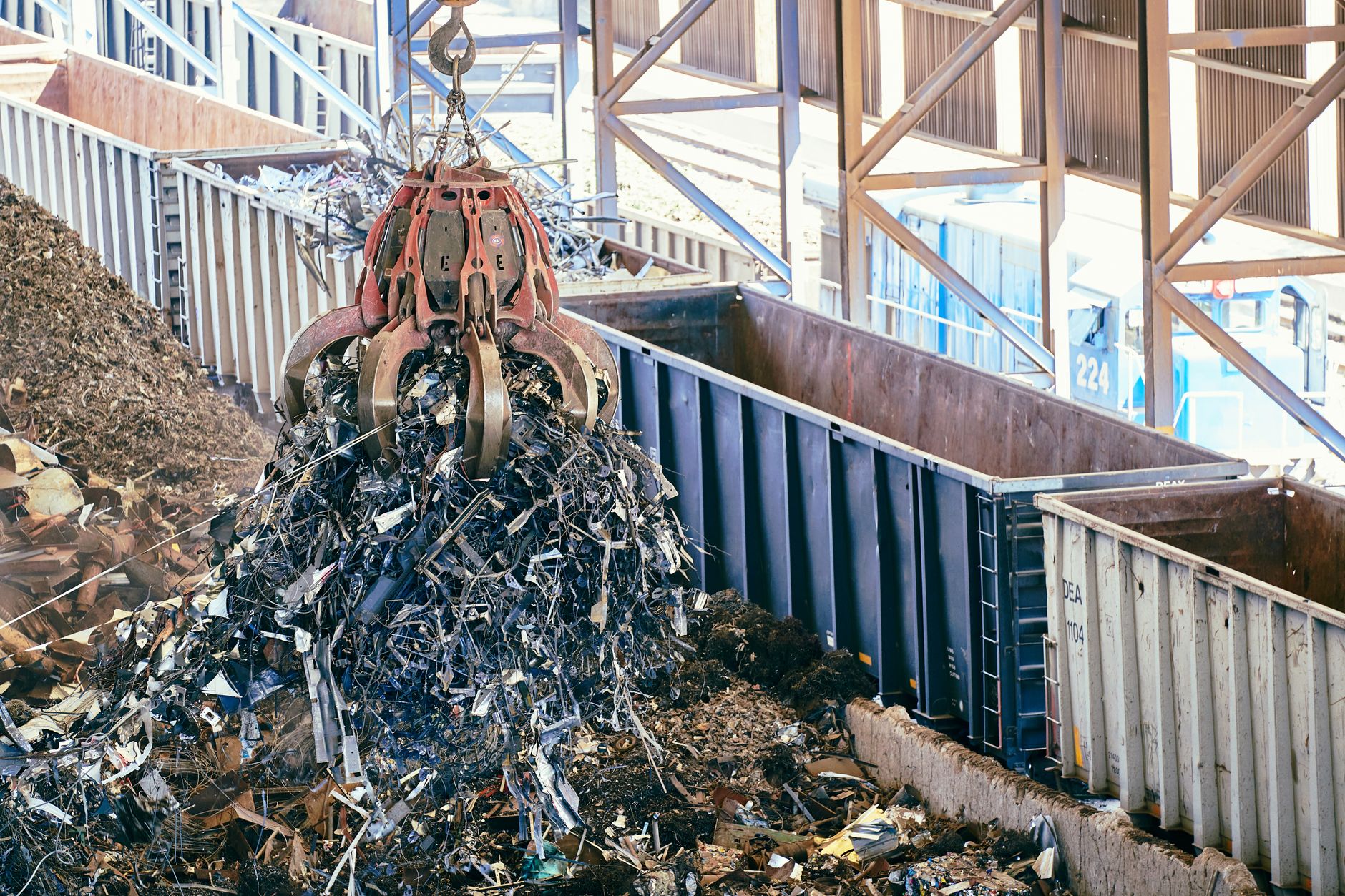
In recycling operations, consistent particle size directly impacts material recovery rates and separation efficiency. In energy and biomass applications, it affects burn quality, system throughput, and operational stability. In manufacturing and bulk processing, it influences flowability, consistency, and overall product quality.
In other words, when size reduction underperforms, everything that follows pays the price.
More Complex Materials, Higher Expectations
One of the biggest shifts reshaping size reduction is the growing complexity of material streams. Mixed waste, composite materials, contaminated feedstocks, and inconsistent inputs are becoming the norm—not the exception.
At the same time, expectations are higher than ever. Operators need:
- Higher throughput without sacrificing consistency
- Greater control over particle size distribution
- Equipment that can adapt to changing materials
- Systems that run reliably in demanding environments
This combination—harder materials and tighter performance requirements—has elevated size reduction from a supporting role to a strategic one.
Size Reduction as a System Enabler
Modern size reduction can no longer be evaluated in isolation. It must be designed as part of an integrated system, optimized to support what comes next in the process.
When engineered correctly, size reduction:
- Improves separation and recovery efficiency
- Reduces downstream wear and maintenance
- Increases overall system uptime
- Enhances product quality and consistency
This system-level impact is why more operators are rethinking how they approach size reduction—moving away from one-size-fits-all solutions toward application-driven design.
Technology Is Evolving—So Is the Mindset
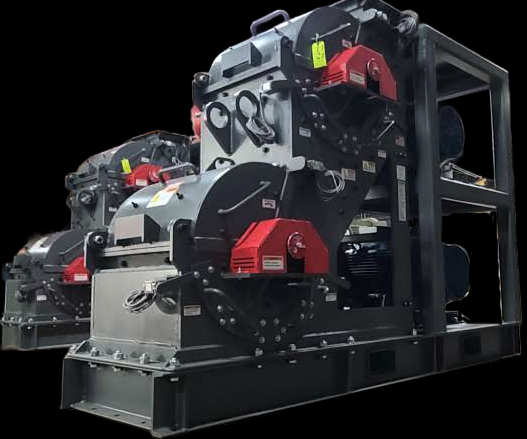
Advances in equipment design, customization, and process integration are reshaping what’s possible in size reduction. But just as important is the shift in mindset. Forward-thinking operations now recognize that investing in the right size reduction solution isn’t just about capacity—it’s about long-term performance and adaptability.
The most effective solutions are those built with a deep understanding of material behavior, operating conditions, and downstream requirements. That perspective doesn’t come from focusing on a single industry or application—it comes from seeing the bigger picture.
Powering the Future of Size Reduction
As industrial processes continue to evolve, size reduction will play an increasingly critical role in enabling efficiency, innovation, and resilience. Whether the goal is recovering more value from waste, improving energy conversion, or maintaining consistent production, success often starts with how material is reduced in the first place.
At Bengal Machine, we see size reduction not as a standalone step, but as a foundational technology that powers what comes next. By supporting a wide range of industries and applications, we help ensure that size reduction continues to meet the demands of an increasingly complex industrial future.